Tel: +86 311 8595 5658 E-mail: admin@yuanlvfilter.com
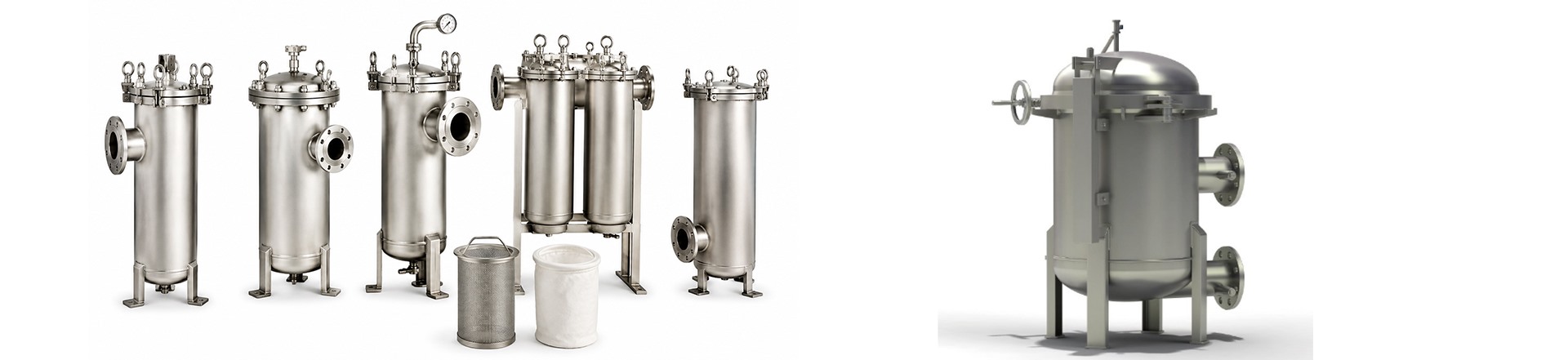
Standard bag filter housings are suitable for many industrial filtration systems, but not every project has the same process conditions or installation requirements. A custom bag filter housing can be configured around factors such as flow rate, housing material, filter bag size, connection requirements, pressure, and available installation space.
For YuanLv Filter, customization is focused on matching the housing to the customer's actual filtration system rather than forcing a project to fit a standard configuration.
A custom housing can be useful when a standard model does not fully match the existing system. Common requirements include:
• Special inlet or outlet sizes
• Different flange standards
• Specific housing materials
• Higher or lower pressure requirements
• Limited installation space
• Single or multi-bag configurations
• Compatibility with #1, #2, #3, or #4 filter bags
• Specific sealing or surface-finish requirements
The purpose of customization is simple: make the housing compatible with the process and the equipment around it.
Custom bag filter housings are often selected after evaluating flow rate, filtration accuracy, material compatibility, and system layout. For a broader overview of industrial bag filtration systems, read our Industrial Bag Filter Housing Guide.
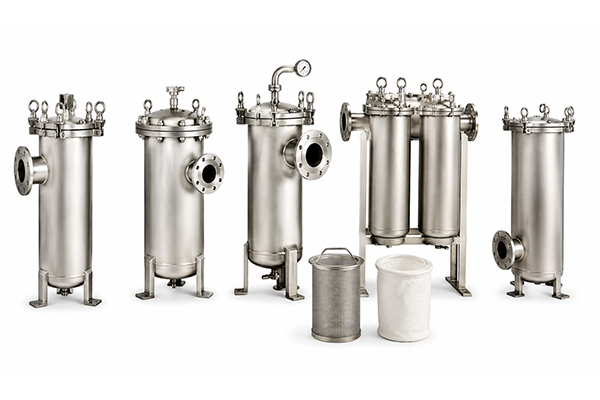
The main customization options include:
| Item | Typical Requirement |
|---|---|
| Housing material | Carbon steel, SS304, SS316, SS316L, or specified material Material selection affects corrosion resistance, service life, operating temperature, and compatibility with process fluids. Our guide to bag filter housing material selection explains the differences between carbon steel, SS304, SS316, and SS316L options. |
| Bag configuration | Single or multi-bag |
| Filter bag size | #1, #2, #3, #4, or specified size |
| Inlet & outlet | Size, position, and connection type |
| Flange | HG20592, HG20615, ASME B16.5, or customized |
| Pressure | Based on operating and design requirements |
| Sealing | Nitrile rubber, fluorine rubber, PTFE, etc. |
| Installation | Vertical or horizontal configuration |
| Surface finish | Polishing, sandblasting, painting, or specified finish |
YuanLv Filter bag filter housing product range supports these configuration options, with housing materials including carbon steel, SS304, SS316, and SS316L.
Many customization options involve modifications to internal and external housing components, including support baskets, sealing systems, lids, flanges, and pressure accessories. Learn more about common bag filter housing components and their functions.
A practical customization process starts with the process conditions.
1. Confirm the Process
Provide the basic operating information:
• Fluid being filtered
• Flow rate
• Operating pressure
• Operating temperature
• Contaminant characteristics
2. Confirm Filtration Requirements
The filter bag must match the housing and the filtration objective. Important information includes:
• Required micron rating
• Filter bag size
• Single or multi-bag configuration
• Filter media requirements
For detailed bag sizing, see our guide on How to Choose the Right Filter Bag Size for Your Housing.
3. Confirm Mechanical Requirements
The housing should also match the existing piping and installation conditions:
• Inlet and outlet size
• Connection and flange standard
• Installation orientation
• Available space
• Surface finish
If an existing drawing or equipment layout is available, it can also help clarify dimensions and connection requirements before fabrication.
| Standard Housing | Custom Housing |
|---|---|
| Suitable for common requirements | Configured for project-specific requirements |
| Standard dimensions | Modified dimensions where required |
| Standard connections | Specified connection size or position |
| Standard material options | Specified material |
| Faster selection | Better fit for unusual conditions |
Custom does not necessarily mean more complicated. It means the housing is configured according to the actual requirements of the filtration system.
Customization also requires attention to fabrication and finishing.
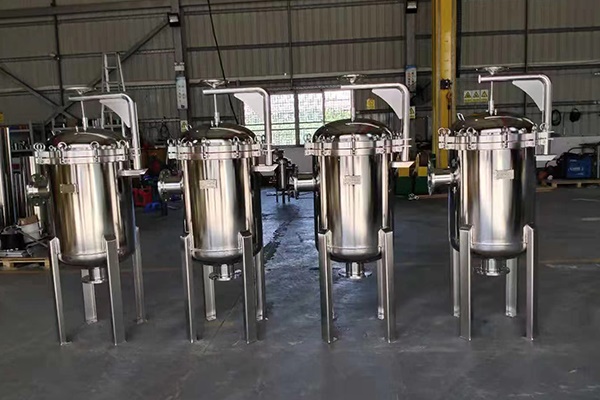
Depending on the specified configuration, manufacturing may involve housing fabrication, welding of connections and components, assembly of the filter basket and sealing system, and surface treatment.
YuanLv Filter provides industrial bag filter housings with customization covering materials, connections, pressure requirements, installation configurations and other project specifications. The product range also includes OEM and custom manufacturing services.
For a quotation or technical review, the following information is useful:
• Process: fluid, flow rate, pressure and temperature.
• Filtration: micron rating, filter bag size and bag quantity.
• Housing: material, connection size, flange standard and installation orientation.
• Project: available dimensions, piping requirements and drawings if available.
The more complete the initial information, the easier it is to determine a suitable housing configuration.
YuanLv Filter manufactures industrial bag filter housings for liquid filtration applications and provides standard as well as customized configurations.
Our product range covers different housing materials, #1–#4 bag sizes, single and multi-bag designs, connection standards, and surface finishes. Custom requirements can be discussed according to the project's operating and installation conditions.
1. Can bag filter housings be customized?
Yes. Materials, bag configuration, connections, pressure requirements, sealing components and other specifications can be customized according to project requirements.
2. Can you customize housings for #1, #2, #3 and #4 filter bags?
Yes. The required bag size should be confirmed when configuring the housing and support basket.
3. What information is needed for a custom bag filter housing?
Fluid type, flow rate, pressure, temperature, micron rating, bag size, material and connection requirements are a useful starting point.
4. Is a custom housing better than a standard housing?
Not necessarily. A standard housing is suitable when its specifications match the application. Customization becomes useful when the standard configuration does not meet the project's process or installation requirements.