Tel: +86 311 8595 5658 E-mail: admin@yuanlvfilter.com
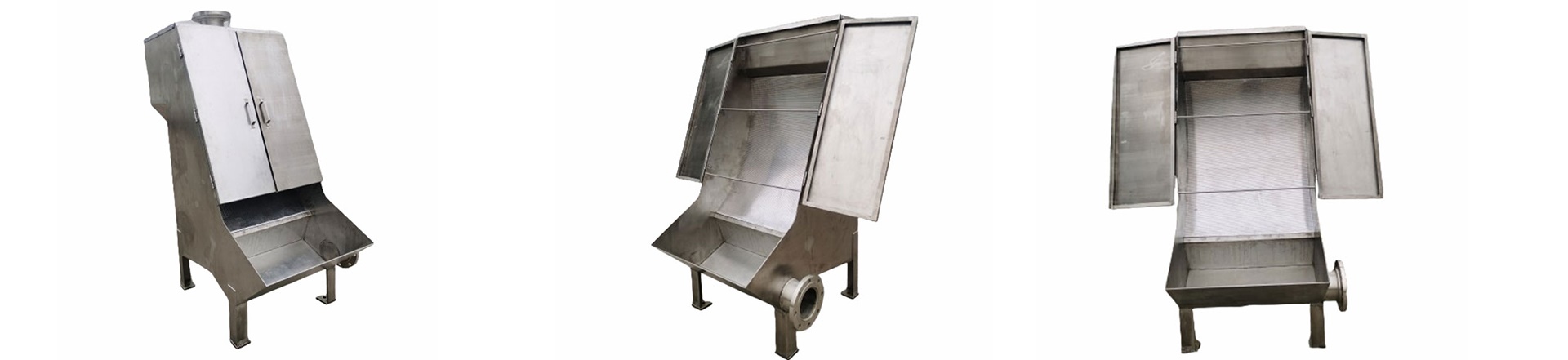
A municipal wastewater treatment plant in Japan was experiencing recurring operational issues in its pretreatment system. Coarse debris carried by incoming wastewater, including small stones, branches, leaves, and other suspended solids, frequently entered downstream equipment.
The pumping station was particularly affected. Pump blockages occurred regularly, increasing maintenance requirements and causing interruptions to normal plant operation.
According to the plant operator, maintenance expenses associated with screening equipment and pump cleaning had become a growing concern.
Before the upgrade, the facility faced several common pretreatment challenges:
• Small stones and debris entering the pumping system
• Frequent pump clogging and emergency maintenance
• High maintenance costs for screening equipment
• Increased wear on downstream components
• Excess solids reaching subsequent treatment stages
The plant needed a screening solution that could improve solids removal without adding significant operating complexity.
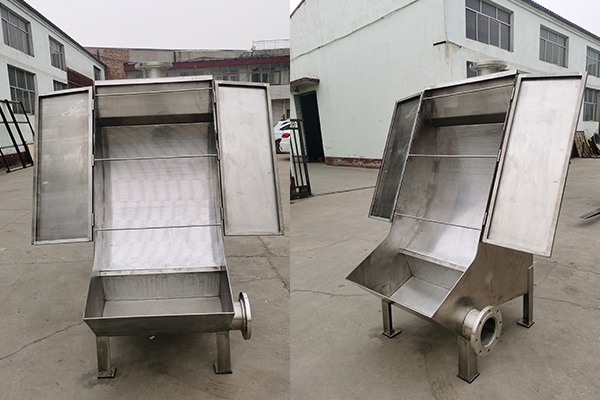
After evaluating available screening options, the facility selected a YuanLv wedge wire Hydrosieve Screen for the pretreatment stage.
Several factors influenced this decision:
• Gravity-Fed Operation
The system operates using the hydraulic head of the incoming wastewater flow and does not require powered rotating equipment for normal screening.
• Wedge Wire Screening Surface
The precision wedge wire profile provides consistent slot openings that effectively retain coarse solids while allowing water to pass through.
• Reduced Risk of Screen Blinding
The inclined screen design allows captured debris to move downward naturally, helping maintain stable operation with minimal cleaning requirements.
• Protection of Downstream Equipment
By removing large solids before wastewater reaches the pumps, the screening system helps reduce equipment blockage and wear.
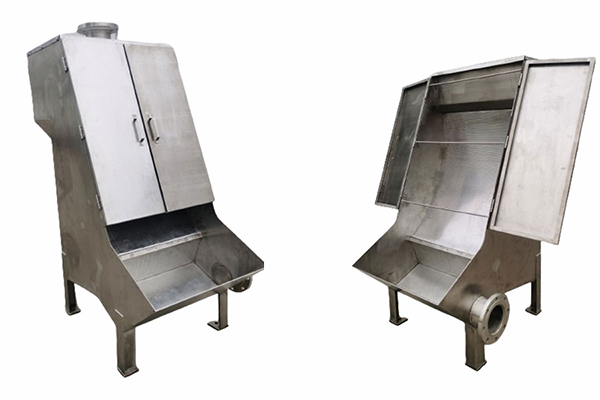
Following installation of the Hydrosieve Screen, the facility reported measurable improvements in pretreatment performance.
• Fewer Pump Blockages
The frequency of pump clogging incidents decreased by approximately 60%, improving reliability of the pumping station.
• Lower Maintenance Costs
Maintenance and repair costs associated with the previous screening process were reduced by approximately 90%.
• Reduced Solids Load
More effective removal of coarse solids during pretreatment resulted in an estimated 25% reduction in sludge handling requirements in downstream sedimentation processes.
• More Stable Plant Operation
With fewer blockages and reduced maintenance interruptions, overall wastewater treatment operations became more consistent.
This project demonstrates how a Hydrosieve Screen can improve pretreatment efficiency and reduce maintenance costs in municipal wastewater treatment.
If you would like to learn more about how Hydrosieve Screens work, how slot size affects screening performance, and how to select the right design for your application, see our complete Hydrosieve Screen guide.
• Effective removal of coarse solids
• Protection of pumps and downstream equipment
• Low operating and maintenance requirements
• No rotating screening components
• Continuous gravity-fed operation
• Reduced sludge load in downstream processes
For facilities experiencing recurring pump blockages or excessive maintenance costs, a properly designed Hydrosieve Screen can provide a simple and reliable pretreatment solution
This municipal wastewater project demonstrates how upgrading the pretreatment stage with a wedge wire Hydrosieve Screen can improve equipment protection and reduce operating costs.
By removing coarse debris before wastewater reached the pumping station, the facility significantly reduced pump blockages, lowered maintenance expenses, and improved overall process stability.
For municipal wastewater treatment plants seeking a low-maintenance screening solution, Hydrosieve technology remains an effective option for protecting critical downstream equipment.