Tel: +86 311 8595 5658 E-mail: admin@yuanlvfilter.com
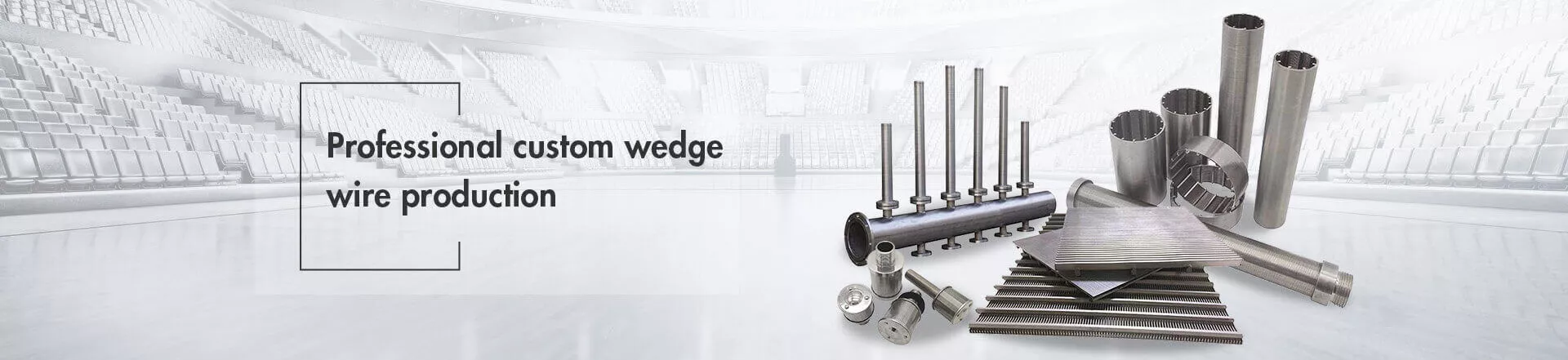
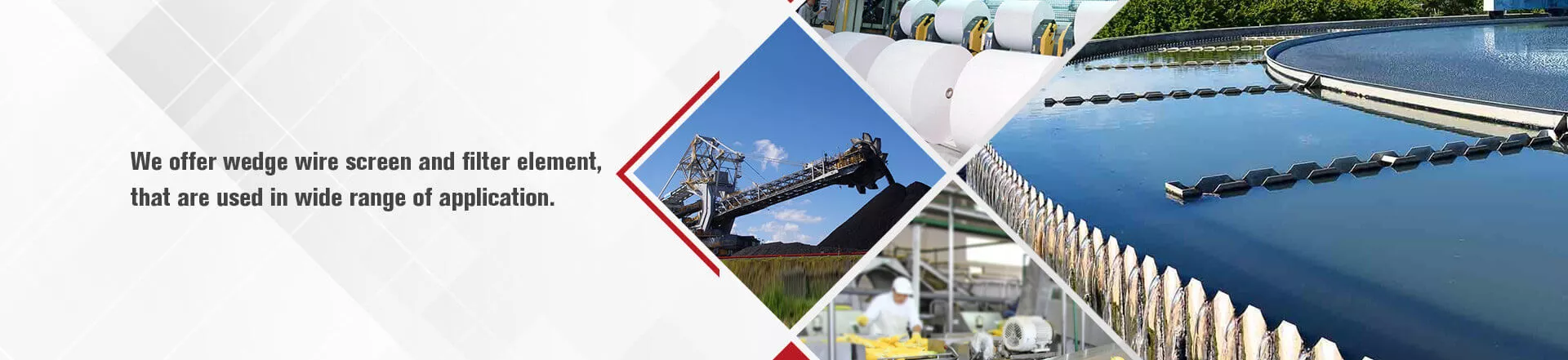
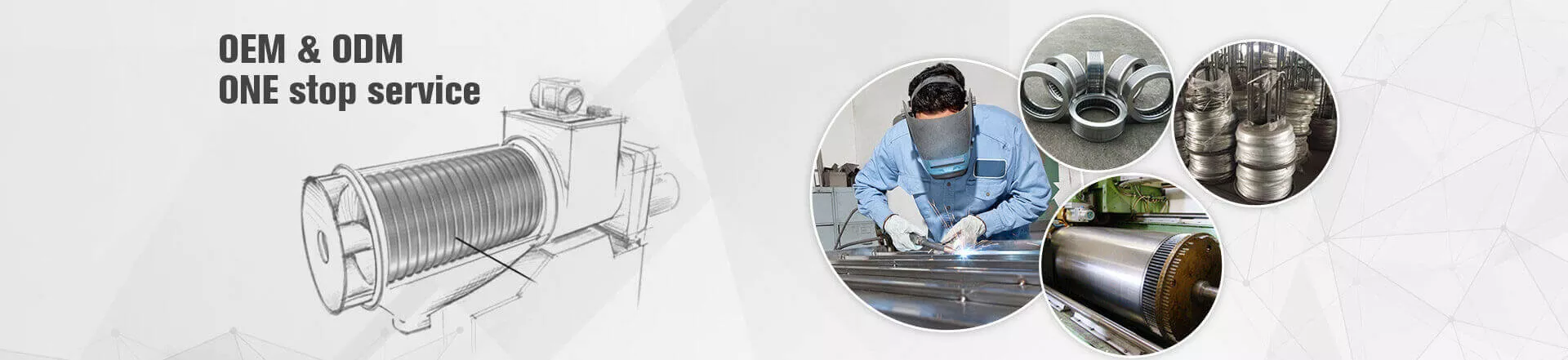
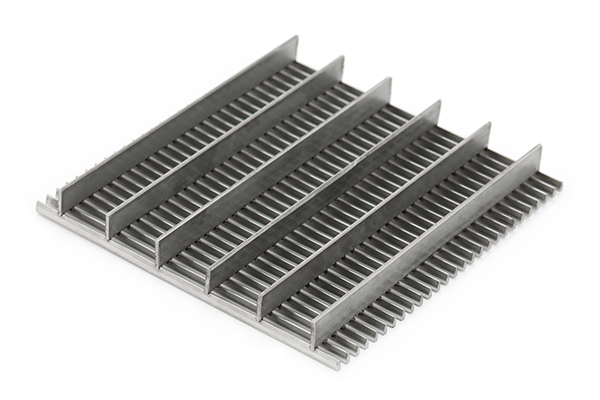
Wedge wire screens are widely used in wastewater treatment, mining, water intake, chemical processing, and other industrial filtration systems because of their high strength, precise slot openings, and excellent flow performance. However, even the most durable stainless steel wedge wire screens can fail prematurely if maintenance is neglected.
Without routine maintenance, wedge wire screens may experience clogging, corrosion, abrasion, or structural deformation. These issues can lead to reduced flow capacity, lower separation efficiency, increased operating pressure, and early replacement costs.
Regular maintenance helps:
• Preserve slot accuracy
• Prevent fouling and scaling buildup
• Minimize corrosion and mechanical wear
• Extend overall screen lifespan
Tip 1: Implement a Routine Inspection Schedule
Question: How often should wedge wire screens be inspected?
Answer:
Inspection frequency depends on operating conditions, but most industrial systems benefit from weekly visual checks and monthly detailed inspections.
Key inspection points include:
• Slot openings for deformation or blockage
• Weld joints for cracks or fatigue
• Screen surface for abrasion or corrosion
• Mounting points and supports for misalignment
Early detection of wear or damage allows corrective action before performance declines or structural failure occurs.
Question: What is the safest way to clean wedge wire screens?
Answer:
Cleaning methods should match the type of fouling and the screen material.
• Recommended approaches include:
• Low-pressure water flushing for light debris
• Backwashing to remove embedded solids
• Chemical cleaning (when compatible with SS304 or SS316L) to remove scaling or biofouling
Avoid aggressive mechanical scraping or excessive pressure, as these can damage precision slots and reduce service life.
Question: How can clogging in wedge wire screens be minimized?
Answer:
Oversized solids, sticky materials, or unexpected process changes often cause clogging.
Preventive measures include:
• Installing upstream pre-filters or strainers
• Maintaining stable flow rates and pressures
• Avoiding operation outside the screen’s design capacity
• Monitoring feed composition changes
Reducing fouling at the source lowers cleaning frequency and mechanical stress on the screen.

Question: Why do stainless steel wedge wire screens still corrode or wear?
Answer:
Even corrosion-resistant materials can degrade under harsh conditions such as high chloride content, abrasive solids, or extreme pH levels.
Best practices include:
• Selecting the correct material grade (SS304 vs. SS316L)
• Monitoring chemical exposure and temperature
• Ensuring smooth flow distribution to reduce localized abrasion
• Replacing damaged sections before wear spreads
Proper corrosion and wear management significantly extend wedge wire screen durability.
Question: Can improper installation shorten wedge wire screen life?
Answer:
Yes. Incorrect installation is a common cause of premature failure.
Important considerations:
• Proper alignment to prevent uneven loading
• Secure mounting to avoid vibration or movement
• Operating within recommended pressure and flow limits
• Allowing thermal expansion where required
A well-installed wedge wire screen experiences less stress and maintains stable filtration performance over time.
Consistent maintenance delivers measurable benefits:
• Longer service life of wedge wire screens
• Stable filtration efficiency
• Lower operating and replacement costs
• Reduced system downtime
In applications such as wastewater treatment, mining, and industrial water filtration, these advantages directly impact operational reliability and cost control.
Wedge wire screens are engineered for strength and precision, but their performance depends heavily on how they are maintained. By following these five maintenance tips—regular inspection, proper cleaning, clogging prevention, corrosion control, and correct installation—operators can significantly extend the life of wedge wire screens while maintaining efficient and reliable filtration.
A proactive maintenance approach not only protects the screen but also improves the overall performance and sustainability of the filtration system.