Tel: +86 311 8595 5658 E-mail: admin@yuanlvfilter.com
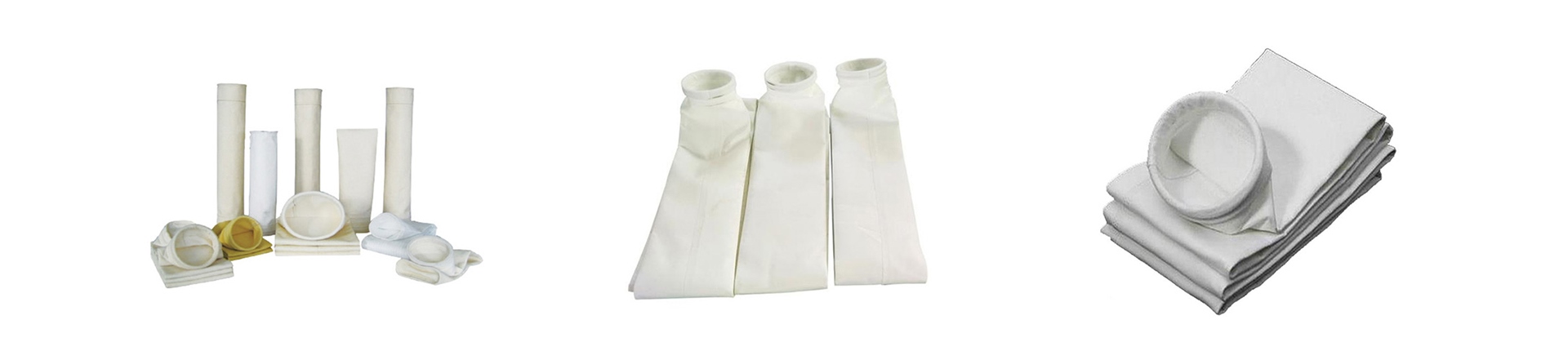
Choosing the correct filter bag micron rating is one of the most important decisions in liquid filtration.
Filter bag selection involves both filtration accuracy and physical compatibility with the housing system. A filter bag that is too coarse may allow contaminants to pass through, while a filter bag that is too fine can increase pressure drop, reduce flow rate, and shorten service life.
Understanding micron ratings helps engineers, maintenance teams, and purchasing professionals select the most effective filtration solution for their process.
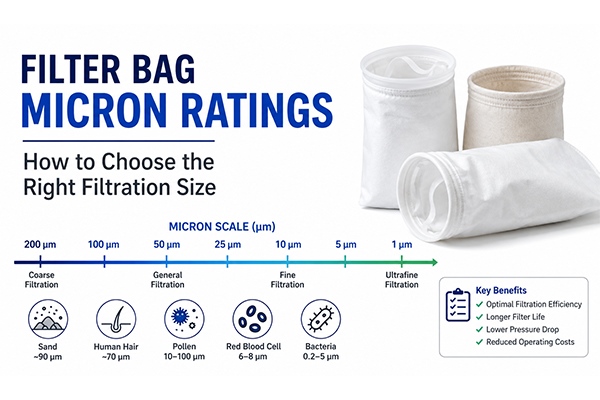
A micron (μm), also called a micrometer, is a unit of measurement equal to one-millionth of a meter.
In filtration, the micron rating indicates the approximate particle size a filter bag is designed to capture. The lower the micron rating, the finer the filtration.
For reference:
| Particle | Approximate Size |
|---|---|
| Human Hair | 70 μm |
| Fine Sand | 90 μm |
| Red Blood Cell | 6–8 μm |
| Most Bacteria | 0.2–5 μm |
Understanding these particle sizes helps determine the filtration level required for a specific application.
Micron rating directly affects:
• Filtration efficiency
• Product quality
• Equipment protection
• Pressure drop
• Filter service life
Selecting an incorrect micron rating can result in excessive filter changes, reduced flow rates, downstream equipment wear, or poor product quality.
However, finer filtration is not always better. A lower micron rating increases particle retention but may also increase pressure loss and maintenance frequency.
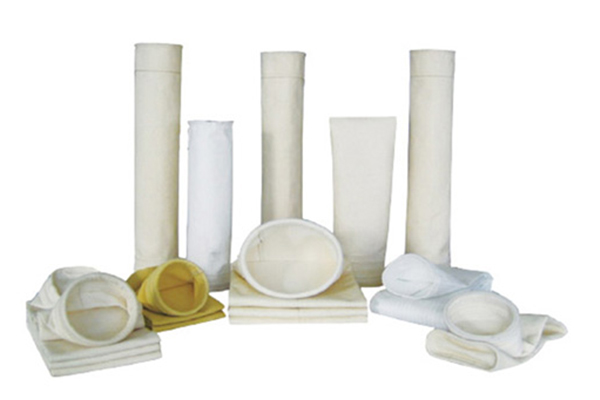
The table below summarizes typical industrial filter bag ratings and their common applications.
| Micron Rating | Typical Application |
|---|---|
| 200 μm | Water intake protection |
| 100 μm | Cooling water and pre-filtration |
| 50 μm | General industrial filtration |
| 25 μm | Chemical processing |
| 10 μm | Food and beverage filtration |
| 5 μm | Fine filtration and polishing |
| 1 μm | High-purity applications |
Among these options, 25 μm, 50 μm, and 100 μm filter bags are commonly used because they balance filtration efficiency, dirt-holding capacity, and operating costs.
One of the most misunderstood topics in filtration is the difference between nominal and absolute ratings.
1. Nominal Micron Rating
A nominal-rated filter bag typically captures approximately 60%–90% of particles at the stated size.
For example, a nominal 10-micron bag may allow some 10-micron particles to pass through. Nominal-rated bags are widely used in general industrial filtration and pre-filtration applications.
2. Absolute Micron Rating
An absolute-rated filter bag is designed to retain at least 99% of particles at the specified size, providing more consistent filtration performance.
Absolute filtration is commonly used in pharmaceutical, food processing, and specialty chemical applications where contamination control is critical.
Micron and mesh are often confused but represent different measurements.
Micron measures particle size.
Mesh measures the number of openings per linear inch of screen.
Approximate conversions include:
| Mesh | Opening Size |
|---|---|
| 20 Mesh | 850 μm |
| 40 Mesh | 425 μm |
| 60 Mesh | 250 μm |
| 100 Mesh | 150 μm |
| 200 Mesh | 75 μm |
Actual opening sizes vary depending on wire diameter and screen construction.
A practical selection process includes four steps.
1. Identify Particle Size
Determine the size range of contaminants present in the process stream. Particle analysis provides the most reliable data.
2. Define Filtration Objectives
Consider whether the goal is:
• Equipment protection
• Product clarification
• Process filtration
• Final polishing
3. Evaluate Flow Rate Requirements
Finer filter bags generate higher resistance and may reduce system throughput if not properly sized.
4. Balance Efficiency and Filter Life
Selecting the finest available filter bag is rarely the most economical solution. The ideal micron rating achieves the required cleanliness while maintaining acceptable service life and pressure drop.
Many industrial systems use staged filtration rather than a single ultra-fine filter bag.
A common arrangement is:
| Stage | Micron Rating |
|---|---|
| Primary Filtration | 50–100 μm |
| Secondary Filtration | 25 μm |
| Final Polishing | 1–5 μm |
This approach helps:
Extend filter life
Reduce operating costs
Lower pressure drop
Improve filtration consistency
Using a 1-micron bag as the first filtration stage often leads to premature clogging and unnecessary maintenance.
1. Is a lower micron rating always better?
No. Lower micron ratings provide finer filtration but may increase pressure drop, reduce flow rate, and shorten filter life.
2. What is the most commonly used filter bag micron rating?
For many industrial applications, 25 μm, 50 μm, and 100 μm filter bags offer the best balance between filtration performance and operating cost.
3. What is the difference between a 5-micron and a 50-micron filter bag?
A 5-micron filter bag captures much smaller particles and is typically used for polishing filtration, while a 50-micron bag is commonly used for general process filtration and pre-filtration.
4. Can a 1-micron filter bag remove bacteria?
Not necessarily. Bacterial removal depends on filter design, media structure, and filtration efficiency—not micron rating alone.
Filter bag micron ratings play a critical role in filtration performance, equipment protection, and operating costs.
Rather than automatically selecting the finest available filter, the best practice is to match the micron rating to the actual process requirements. Understanding particle size, filtration objectives, and system conditions helps ensure reliable performance, longer filter life, and lower operating costs.
For a broader understanding of industrial filtration equipment, readers can also explore our Industrial Bag Filter Housing Guide and related resources on filter bag materials and bag filtration system design.
Related Reading:
Single Bag Filter Housing vs Multi Bag Filter Housing