Tel: +86 311 8595 5658 E-mail: admin@yuanlvfilter.com
Hydrosieve screens are widely used for solid–liquid separation in wastewater treatment systems. The most common problems include screen clogging, uneven flow distribution, reduced capacity, and excessive wear, most of which are related to improper design selection or operating conditions.
Understanding these issues and their root causes helps operators maintain stable performance and extend equipment life.
Click here to learn more about → hydrosieve screen overview
In practical operation, several recurring issues affect hydrosieve performance.
Problem:
Solids accumulate on the wedge wire surface, blocking slot openings and reducing filtration efficiency.
Typical Causes:
• The slot size is too small for the application
• High suspended solids concentration
• Sticky or fibrous materials (e.g., food waste, sludge)
• Insufficient cleaning system
Solutions:
• Select appropriate slot size (e.g., 0.5–1.0 mm for municipal wastewater)
• Install or optimize spray bar cleaning
• Adjust upstream screening or pre-treatment
• Ensure consistent flow distribution
Related Reading: Why Hydrosieve Screens Don't Clog Easily
Problem:
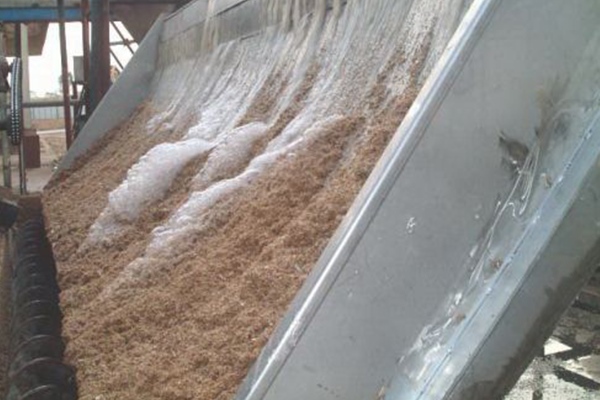
Water does not spread evenly across the screen, leading to localized overloading and reduced efficiency.
Typical Causes:
• Poor inlet design
• Blocked or misaligned distributor
• Improper installation angle
Solutions:
• Use a properly designed inlet distributor
• Check alignment during installation
• Maintain stable inflow conditions
• Avoid sudden flow surges
Problem:
The system processes less flow than expected.
Typical Causes:
• Clogged screen surface
• Incorrect design parameters
• Excessive solids loading
• Improper screen angle
Solutions:
• Clean or backwash the screen regularly
• Verify design flow vs actual operating flow
• Increase screen width or number of units if needed
• Optimize screen inclination
Problem:
The wedge wire surface shows signs of abrasion, deformation, or corrosion.
Typical Causes:
• Abrasive particles (sand, grit)
• Low-grade material selection
• Chemical corrosion
• Mechanical impact
Solutions:
• Use SS316L for corrosive environments
• Install grit removal upstream
• Avoid mechanical overload
• Inspect regularly for early damage
Problem:
Separated solids do not move smoothly down the screen surface.
Typical Causes:
• Incorrect screen angle
• Sticky or oily materials
• Insufficient gravity effect
Solutions:
• Adjust installation angle (typically 35°–60°)
• Use flushing systems if needed
• Reduce organic buildup through pre-treatment
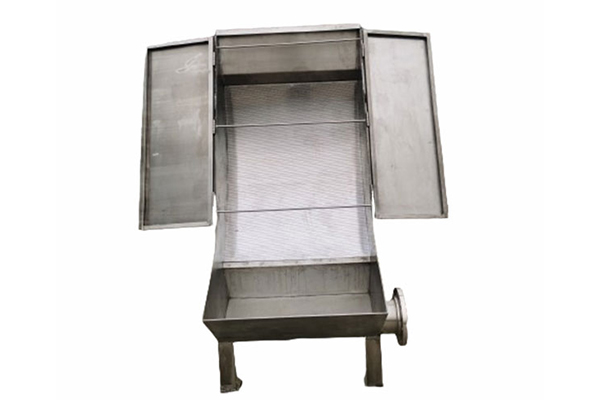
Most hydrosieve issues are not caused by the equipment itself, but by mismatch between design parameters and actual operating conditions.
Key factors include:
• Slot size selection
• Flow rate vs design capacity
• Wastewater characteristics
• Maintenance frequency
When these factors are aligned, hydrosieve screens can operate reliably with minimal intervention.
Preventive design and maintenance are more effective than reactive fixes.
Best Practices
• Select slot size based on particle size distribution
• Ensure proper inlet flow distribution
• Install upstream pre-treatment (e.g., coarse screens or grit removal)
• Use appropriate material (SS304 or SS316L)
• Schedule regular inspection and cleaning
These measures reduce downtime and improve long-term performance.
Maintain details → How to Maintain a Hydrosieve Screen
1. Why does my hydrosieve screen clog frequently?
Frequent clogging is usually caused by a small slot size, high solids concentration, or inadequate cleaning. Adjusting slot size and adding a spray system can help.
2. How often should a hydrosieve screen be cleaned?
Cleaning frequency depends on wastewater characteristics, but regular inspection and periodic cleaning are recommended to maintain efficiency.
3. What slot size should I use for wastewater treatment?
For most municipal wastewater applications, 0.5–1.0 mm is commonly used. Fine filtration may require smaller slots.
4. Can hydrosieve screens handle high solids loads?
They can handle moderate loads, but excessive solids concentration may reduce efficiency. Pre-treatment is recommended for heavy loads.
• Most hydrosieve problems are related to design mismatch or operating conditions
• Clogging, uneven flow, and reduced capacity are the most common issues
• Proper slot size, material selection, and flow control are critical
• Preventive maintenance significantly improves performance
Wedge wire hydrosieve screens are reliable and efficient screening devices when properly designed and maintained. The most common problems, such as clogging, uneven flow, and wear, can usually be traced back to incorrect selection or operating conditions.
By understanding these issues and applying appropriate solutions, operators can ensure consistent performance, reduce maintenance costs, and extend equipment lifespan in wastewater treatment and industrial filtration systems.